

THE REGENERATIVE GROWER’S GUIDE TO GARDEN AMENDMENTS
A soil plant model - minerals, biology, organic matter, voltage and acidity gradients
The effects of human interventions
Sustainable, regenerative approaches
Influencing plants during phases of development
Garden tools (Compost, cover crops, mulches and weeds)

Experimental Gardener
Nigel is a lifelong gardener who relies on the amazing complexity of nature to inspire his gardening philosophy. After the realization that growing nutrient-dense food was the family’s best health care option, he dove into reading and exploring resources that would teach him the wisdom that indigenous peoples have relied on for millennia--working WITH nature's processes, harnessing the power of free, local resources to grow delicious, nutritious food.
Thirty-six years as an aerospace engineer sorting, organizing, and resolving complex technical issues honed the skills needed to navigate, understand and communicate the complexities of plant soil health.
He is an author, educator, speaker, curriculum developer and instructor of soil health at "The Institute of Sustainable Nutrition," a holistic education program founded and directed by his wife, Joan Palmer, an educator, nutritionist, herbalist and gardener herself.
Homemade Mineral Amendments for Living Soil
The magic of photosynthesis is what drives life on earth. Some plant photosynthesis energy is delivered and stored in the soil forming a battery that drives the entire plant soil ecosystem. Increasing stable organic matter, tilth and biological diversity improves the ability of the soil to hold charge, exchange gases, manage water and support soil biota needed for plant health. Increasing plant photosynthesis efficiency is a key aspect of increasing plant and soil health.
Growing plants for agricultural purposes requires human interventions, a disruption of the soil structure and the flow of energy between plants and the soil ecosystem. What are the effects of our actions on the plant soil ecosystem?
Making and using homemade mineral and biological amendments mimics nature’s way of nurturing the plant soil ecosystem. These are simple to make using locally sourced materials, the fruit from the plant wanted to grow, weeds, egg shells, sea shells, shrimp, lobster, crab shells, bones, seaweed and other mineral rich organic materials. These are empowering and sustainable methods of growing.
Homemade amendment minerals are in plant proportions and forms so plants can use them directly without the need of converting them into usable forms, which requires plant energy. They are very inexpensive, often closing waste gaps, and do not require the building of processing plants, plastic packaging, transportation or the human costs of store bought products making them truly sustainable. Ideas and methods are supported with measurable data.
Element analysis of these homemade amendments has been completed and the results are available on the analysis tab of this web site.



Plant Soil Model
WITHOUT PLANTS THERE IS ONLY DIRT!
The relationship between plants and soil is a complex system
All growers are harnessed with their own set of constraints and opportunities. Soil conditions, geographic conditions, finances, equipment, infrastructure, mineral availability, biological diversity...
Products applied and tools used are all interventions that effect the relationship between plant and soil.
A model used to understand the effects of human interventions enables productive conversations about sustainably regenerating soils, growing high quality foods and the benefits or short comings of any agricultural tool or idea.
Human interventions come in a variety of forms with a variety of consequences

Recognizing how human interventions benefit or harm plant soil relationships, the natural processes of nature, guides towards effective and economic growing practices.

Removing entire plant from the soil (harvest and weeding) removes organic matter and disrupts the soil structure

Foliar feeding feeds the plant and the soil biota through the phloem flow

The addition of chemicals, fertilizers, pesticides, herbicides, fungicides oxidizes the soil facilitating pest and insect damage

Cover cropping, mulching, and adding compost builds organic matter, soil structure and microbe habitat
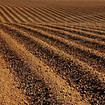
Tilling disrupts the soil structure, leaving it bare exposes soil to air both increase oxidation facilitating pest and insect pressure